Many cultures have fall festivals, but only one makes the arrival of astronomical autumn a national holiday: Shubun no Hi. What’s more, Japan does it twice a year, also making March’s Vernal Equinox Day the holiday Shunbun no Hi.
Shubun no Hi, or Autumnal Equinox Day, falls around September 22 or 23, when the sun crosses the celestial equator and day and night are equal in length.
We may pull on a sweater in a new palette of colors and order the first pumpkin-spiced something of the season. Japan’s observance of this astronomical milestone reflects the country's steadfast relationship with the seasons — and, for travelers, offers an opportunity to experience Japanese culture at a particularly meaningful time of year.
Move over cherry blossoms. Seasonal holidays like Shubun no Hi can be equally colorful and symbolic of Japanese history and culture.
When Day and Night Meet
Modern Japan's Autumnal Equinox public holiday is designated as a day to "honor one's ancestors and remember those who have passed away."
Its roots are more evocative.
The equinox falls in the middle of a seven-day Buddhist observance called Higan, celebrated around both the spring and autumn equinoxes. The name can be translated as "the other shore" — a Buddhist metaphor for crossing from this earthly world to enlightenment.
A beautiful piece of symbolism connects that idea to the equinox. The sun rises due east and sets due west at this time of year, and in some Japanese Buddhist traditions, the western direction is associated with the Pure Land of Amida Buddha. The symbolism of the equinox helped make it a particularly significant time for spiritual reflection and remembering the dead.
A Different Kind of Japanese Holiday
Don't expect parades, fireworks, or streets decorated for Shubun no Hi. Or even picnics under blooming cherry trees. It’s not a party atmosphere, but a quieter, more subtle cultural phenomenon.
- Visit a Buddhist temple during Higan. Historic temples in Kyoto and Tokyo hold special Higan-e services during the seven-day period, connecting contemporary Japanese with their centuries-old seasonal and spiritual tradition.
- See the tradition of visiting ancestral graves. Look for chrysanthemums and other flowers for sale near cemeteries and temples, which suddenly come alive as families clean graves, bring flowers, burn incense, and pay their respects. Tourists should be respectful, too, and avoid photography of individuals or ceremonies without permission.
- Try ohagi. Who doesn’t love a sweet holiday treat? Although I have to admit I like savory Japanese food much more than any of its sweets, especially Japan’s rice-and-sweet-red-bean-paste pastries, I have friends who’ve made long detours to confection shops, department-store food halls and supermarkets for elegantly packaged confections.
- Look for higanbana — red spider lilies. Their Japanese name literally connects them with Higan because they bloom around this period. Make the trip to see them in their natural setting – it is spectacular at Kinchakuda Manjushage Park in Hidaka, Saitama, where millions of brilliant red spider lilies can carpet the woodland around the equinox. The annual Manjushage Festival generally coincides with their flowering.
How You Can Experience Japan’s Autumn Beyond the Holiday
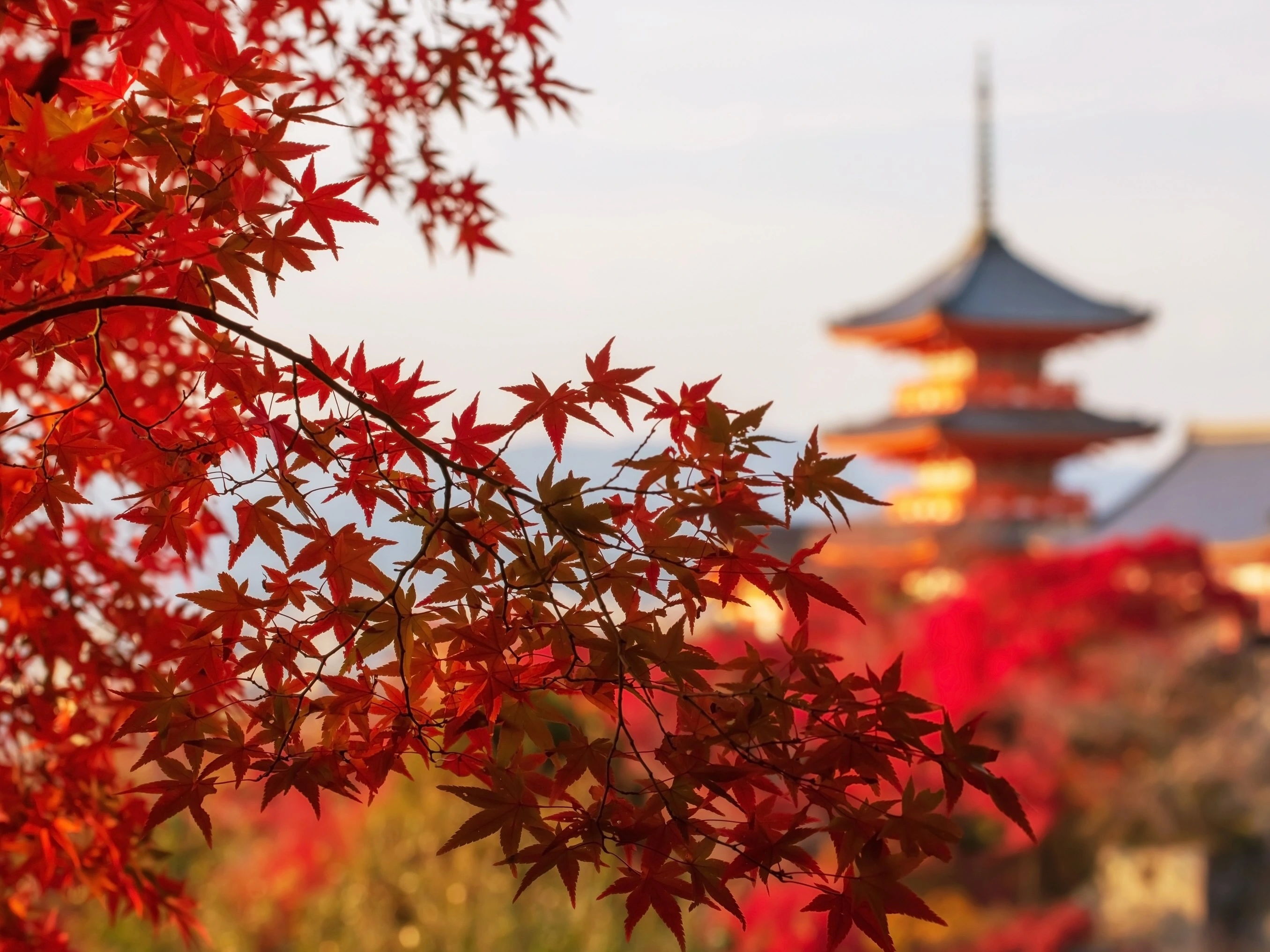
The equinox also signals a scenic treat for travelers: the beginning of autumn in Japan. For peak fall foliage early in the season, you’ll have to get out of the tourist hotspots - in northern Japan and at higher elevations, the transformation of forests, mountainsides, and gardens to gold and scarlet can already be getting underway.
Autumn leaves reappear folded around food, dancing on seasonal textiles and ceramics, as Japanese embrace the changes of the season.
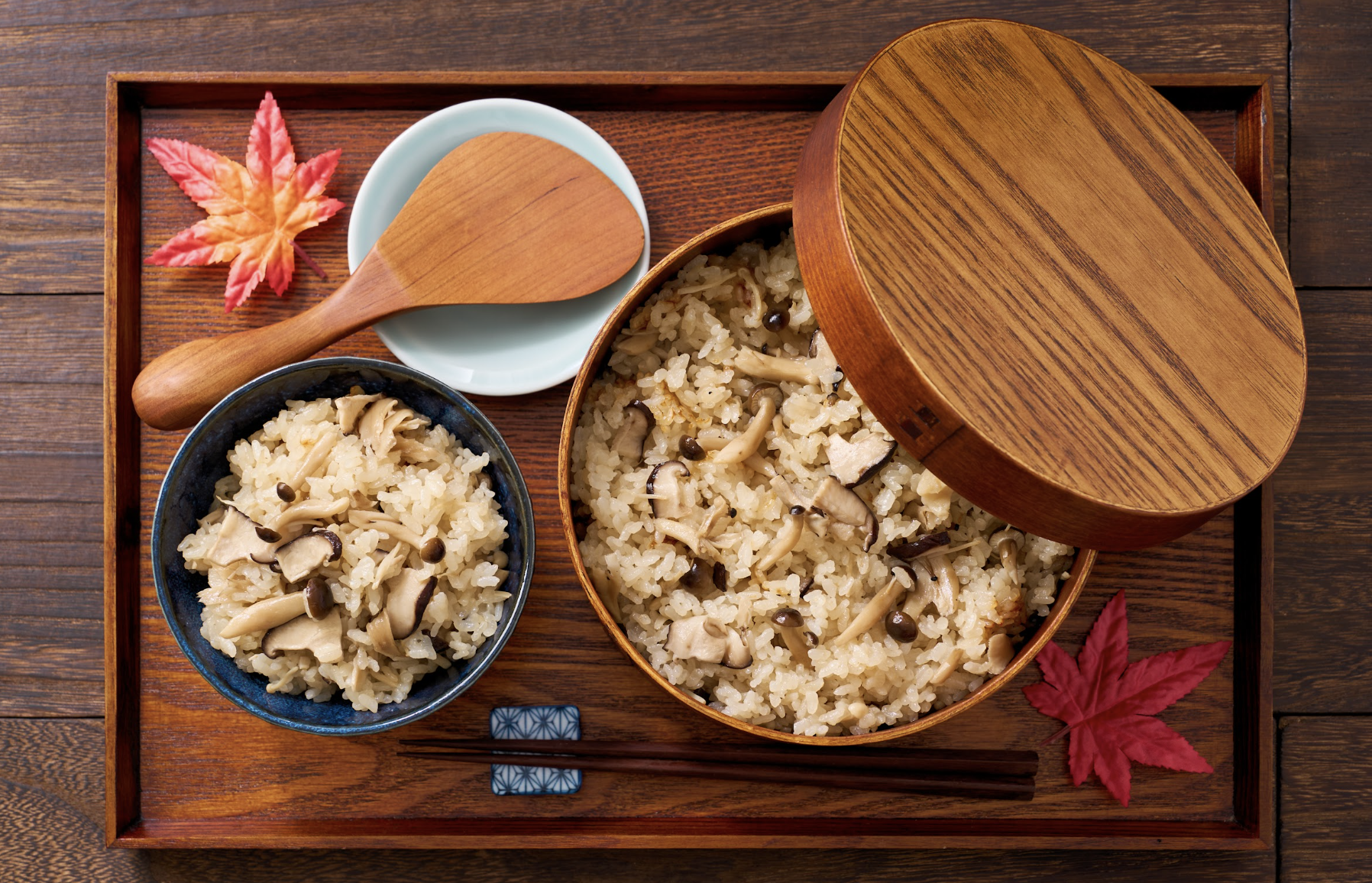
The cooler days make Japan’s humble soba noodle soup dishes, hearty fall mushroom rice bowls and warming hot pot dinners delicious ways to celebrate autumn in Japan, too.
START YOUR TRIP!
Images: Getty
Story: Lynn Elmhirst, cruise/ travel journalist and expert.
All rights reserved. You are welcome to share this material from this page, but it may not be copied, re-published, broadcast, rewritten or redistributed.
Most Recent
- ‘Ditch’ the Boots: Switzerland’s Barefoot Hiking Revival
- Royal Caribbean Group Buys 50% of Sandals Resorts- A Game Changer for the Caribbean and Global Cruising?
- Italian Wine Beyond Tuscany: 3 Other Regions Worth Drinking In
- From Epic to Film to Real Life: How to Take your Own Greek Odyssey
- 2 New Openings Continue to Redefine All-Inclusive Resort Vacations